
Phone: +86 13712049800
E-mail: karen@watatspets.com
Add: 1002, Unit 2, Building 6, Yandong Community, Fengcheng Eighth Road, Xi'an, Shaanxi, China
Sustainable Pet Products: The Future of the Pet Industry
Sustainability is no longer a niche selling point—it is rapidly becoming the new baseline for consumer expectations in the pet industry. For B2B wholesalers, this represents both a challenge and a significant opportunity.
The global sustainable pet products market was valued at USD 37.8 billion in 2025 and is projected to reach USD 78.7 billion by 2034, growing at a compound annual rate of 8.4% . In Europe alone, the market is expected to grow from USD 13.4 billion to USD 28.3 billion over the same period . These numbers tell a clear story: sustainability is not a trend—it is the future.
## Why Sustainability Matters to Pet Owners
The shift toward sustainable pet products is driven by several converging factors.
### The "Pet Parent" Mindset
As noted in our previous analysis, pet owners view their animals as family members. This emotional connection extends to the products they purchase. Consumers are increasingly applying the same environmental and health standards to pet products that they apply to their own food, clothing, and home goods.
### Regulatory Pressure
Europe is leading the charge with stricter environmental regulations and sustainability requirements. At the 2026 Interzoo exhibition in Nuremberg—the world's leading pet industry trade show—"sustainability" moved from conceptual discussions to concrete industry. The event introduced its first Sustainability Conference and Sustainability Award, covering topics from ESG and carbon footprints to supply chain transparency and recycled materials . For B2B wholesalers targeting the European market, compliance is no longer optional.
### Consumer Willingness to Pay More
Research indicates that more than 50% of pet owners are willing to pay a premium for eco-friendly pet products . Buyers in the US and European markets show an environmental premium acceptance rate exceeding 40%. This willingness to pay more creates margin opportunities for wholesalers who can deliver credible sustainable products.
### The Factor
Younger consumers—those born in the 1990s and 2000s—are accelerating demand for premium, sustainable pet products . Functional garments such as odor-control solutions and weather-protective apparel now account for over 60% of the pet apparel market, with sustainability increasingly paired with technical performance .
## The B2B Opportunity: Key Sustainable Textile Categories
For wholesalers specializing in pet textiles, the sustainable products market offers clear growth pathways.
### Pet Apparel and Bedding: The Fastest-Growing Segment
According to market analysis, pet apparel and bedding is expected to register the fastest growth within the sustainable pet products category . This is where textile wholesalers have the greatest advantage.
Sustainable pet apparel is evolving from novelty items into a sizeable, performance-driven category. The global pet apparel market in China alone was valued at RMB 3.5 billion (over USD 500 million) in 2024, growing more than 20% annually . Textile suppliers are now showcasing pet-ready fabrics that prioritize comfort, durability, and functional performance .
What does this mean for you? Retailers are actively seeking:
- **Functional pet wear** with odor control, weather protection, and breathability
- **Sustainable materials** such as renewable wood-based fibers, organic cotton, and recycled fabrics
- **Products that combine eco-credentials with premium aesthetics**—neutral tones, minimalist designs that photograph well
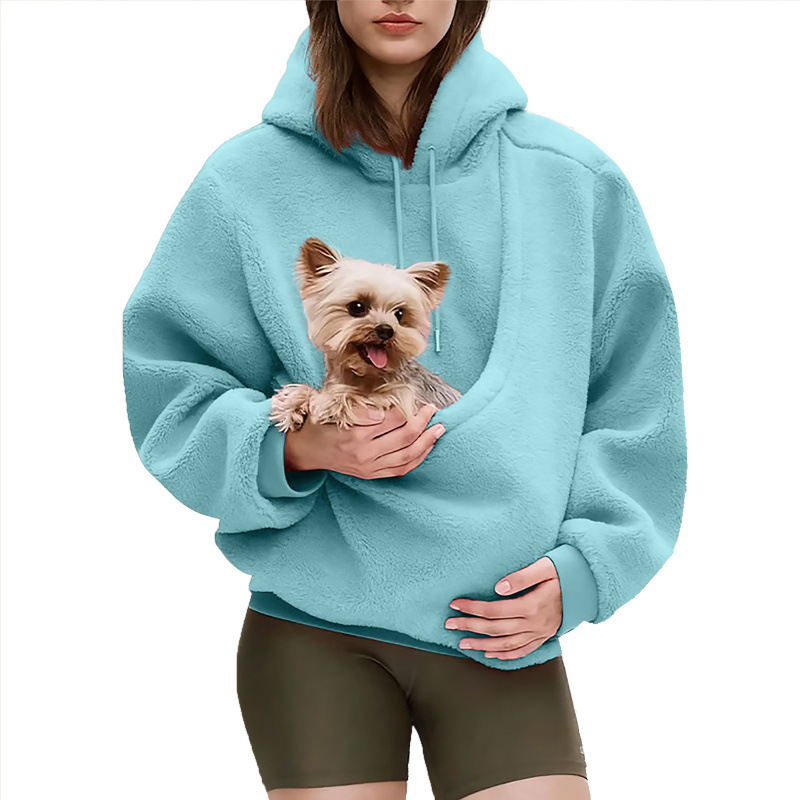
### Sustainable Pet Beds and Correction Nests
The sustainable pet beds market is projected to grow from USD 2.3 billion in 2024 to USD 2.8 billion by 2030, with key players including Beco Pets, Wild One, Tuft + Paw, West Paw, and Avocado Organic Dog Bed .
For B2B buyers, the key features to look for include:
- **Memory foam and orthopedic support** combined with eco-friendly materials
- **Washable, replaceable covers** made from organic or recycled fibers
- **Non-slip bases** using sustainable rubber or recycled materials
- **Certifications** such as OEKO-TEX, organic, or recycled content verification
Retailers want products that tell a story: "This bed helps your aging dog move comfortably AND reduces environmental impact." This combination of health benefit and sustainability justifies premium pricing.

### Eco-Friendly Car Seat Covers and Travel Accessories
Travel accessories represent another high-growth sustainable category. Pet owners want products that protect their vehicles while minimizing environmental impact.
Sustainable options in this space include:
- **Waterproof, scratch-resistant covers** made from recycled or plant-based materials
- **Non-slip backing** using sustainable grip technologies
- **Machine-washable designs** that extend product lifespan
Durability is itself a sustainability feature. Products that last longer reduce waste and lower the cost-per-use for consumers—a message that resonates with eco-conscious buyers.
**[Link to Sustainable Car Seat Covers]** – Stock travel gear that protects cars and the planet.
### Sustainable Pet Carriers
Urban pet owners need carriers that are stylish, functional, and sustainable. Breathable mesh, durable zippers, and aesthetic designs are now being paired with recycled fabrics, organic materials, and low-impact manufacturing processes.
### Eco-Friendly Harnesses and Leashes
Even basic accessories are being reimagined with sustainability in mind. Padded handles, reflective stitching, and adjustable fits are now being combined with:
- **Recycled polyester or nylon** from post-consumer plastic waste
- **Hemp or organic cotton webbing**
- **Natural rubber components** for grip and comfort
## What's Driving the Sustainable Textile Market?
### Industry-Wide Recognition
The sustainability shift has been recognized across the textile industry. Intertextile Shanghai Apparel Fabrics 2026, one of the world's largest textile trade fairs, introduced a dedicated Pet Boutique showcase for pet textiles . Major suppliers including Lenzing (renewable wood-based fibers) and 3M (Thinsulate insulation) are now targeting the pet sector specifically .
### Traceability and Transparency
Certification and traceability are becoming essential. Platforms like TextileGenesis are providing traceability solutions for sustainable textiles, while certifiers like Ecocert are verifying environmental claims . Buyers with sustainability targets can identify verified suppliers through directories like Econogy Finder.
### The "Econogy" Connection
Sustainability is increasingly paired with technical performance. This "Econogy" approach—combining ecological credentials with functional properties like UV resistance, insulation, and antibacterial performance—is becoming the gold standard . Products that perform better AND are better for the planet command the highest margins.
## Your B2B Advantage
The sustainable pet products market is growing at 8.4% annually—faster than the overall pet industry . For wholesalers, this represents a clear opportunity to differentiate.
### What Your Retailers Need
**Credible claims, not greenwashing.** Retailers are demanding proof: certifications, traceability, and transparent supply chains.
**Premium features.** Sustainable products must perform as well as or better than conventional alternatives. This is why pairing sustainability with orthopedic support, weather protection, or durability is essential.
**Margin.** Sustainable products typically command higher prices, which means higher margins for retailers and wholesalers alike.
**Storytelling.** Retailers need products with a compelling narrative: "This bed uses recycled ocean plastics" or "This carrier is made from renewable wood fibers." Help them tell this story.
## Conclusion: The Sustainable Future
The willingness to pay more for sustainable pet products isn't a passing fad—it's a structural shift driven by consumer values, regulatory pressure, and generational change. For B2B wholesalers specializing in textiles, the message is clear: **stocking sustainable products isn't just good for the planet; it's good for business.**
The global sustainable pet products market is projected to nearly double by 2034 . The brands that embrace this transition now will capture market share. Those that don't will be left behind.